

By Afribraz Global Business Magazine
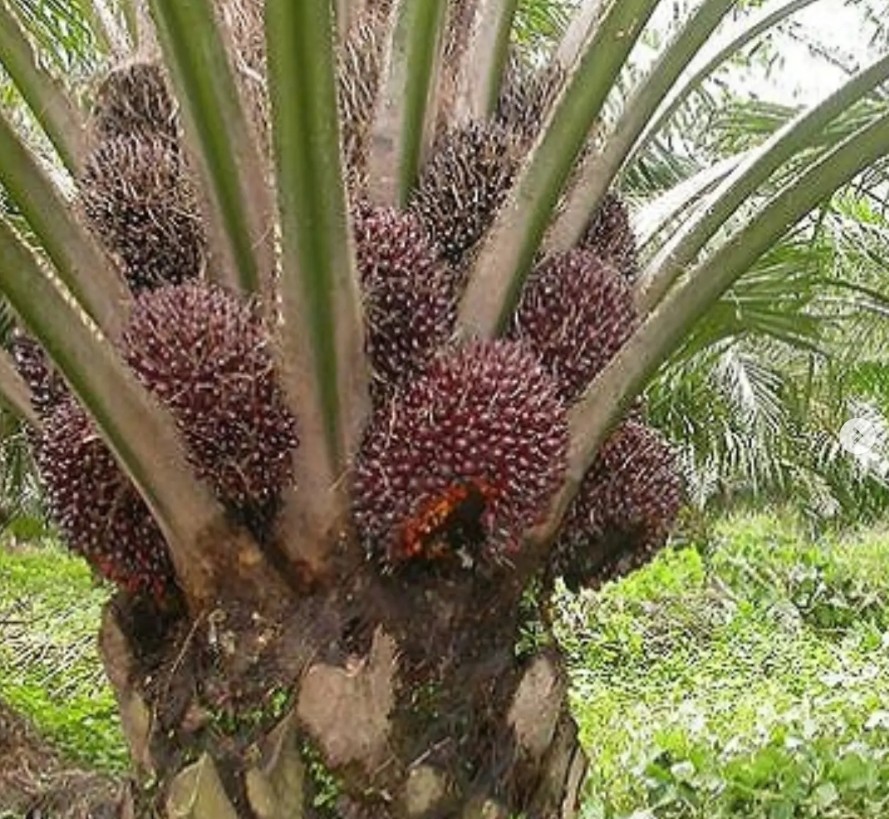
Palm kernel, one of Africa’s oldest agricultural treasures, has grown from a traditional village resource into a strategic global commodity. Derived from the seed (kernel) of the oil palm fruit, palm kernel is more than just an agricultural product; it is a billion-dollar business that fuels food industries, cosmetics, pharmaceuticals, and international trade.
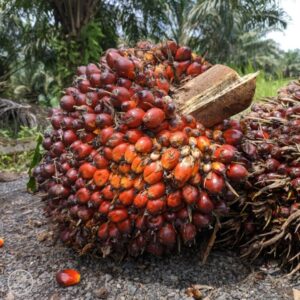
Originating from the African oil palm tree (Elaeis guineensis), native to West and Central Africa, palm kernel has been valued for centuries in countries such as Nigeria, Ghana, Cameroon, and Côte d’Ivoire. Historically, African communities processed palm fruits manually for cooking oil, medicinal use, and soap production long before industrialization transformed it into a global export product. Today, while Africa remains its ancestral home, Southeast Asian giants like Indonesia and Malaysia dominate large-scale commercial production, together controlling over 80% of global palm and palm kernel oil markets.
The Business Value of Palm Kernel
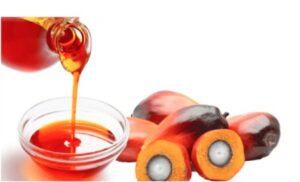
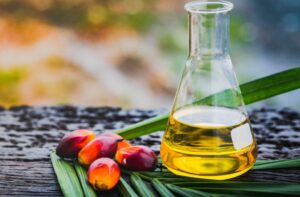
Palm kernel’s economic significance lies in its versatility. Once harvested, the kernel is crushed to produce palm kernel oil (PKO), a highly valuable edible and industrial oil. The residual cake is used as livestock feed, ensuring nearly every part of the commodity has market value. This makes palm kernel one of the most efficient agricultural business models in tropical economies.
Palm kernel oil is heavily traded because of its:
- High oil yield per hectare
- Long shelf life
- Cost efficiency compared to other vegetable oils
- Broad industrial applications
Globally, palm kernel oil is prized in:
- Cooking oils and frying fats
- Margarine and confectionery products
- Soap and detergent manufacturing
- Cosmetics and skincare products
- Pharmaceuticals
- Biofuel and oleochemical industries
Its affordability and stable chemical properties make it especially attractive for manufacturers seeking large-scale, cost-effective vegetable oil solutions.
Importance in the Kitchen

In many African, Asian, and tropical cuisines, palm kernel products remain essential. Palm kernel oil is used in:
- Traditional soups and stews
- Frying and roasting
- Baking fats
- Vegetable shortening
- Processed food manufacturing
Its semi-solid nature at room temperature makes it highly useful for commercial food production, while its rich saturated fat profile provides durability in high-temperature cooking. Beyond household kitchens, it is a backbone ingredient in industrial food systems serving billions globally.






Leave feedback about this