

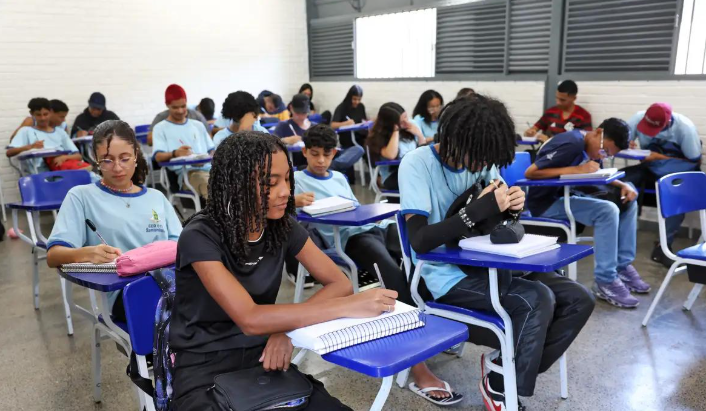
Nos cantos silenciosos das salas de aula em todo o mundo em desenvolvimento, persiste um paradoxo: aqueles encarregados de construir o futuro estão frequentemente entre os menos recompensados no presente..
A Afribraz Global Business Magazine realizou uma análise transcontinental da remuneração, do status e das realidades sistêmicas dos professores. O que emerge não é apenas disparidade, mas um desequilíbrio estrutural com consequências econômicas de longo alcance.
Realidade no Terreno: Onde os Professores São Subvalorizados
Finlândia, Singapura, Canadá: Uma Equação Diferente
Na Finlândia, em Singapura e no Canadá, as conclusões da Afribraz mostram uma filosofia fundamentalmente diferente:
Remuneração & Estrutura
Canadá: ~US$ 70.000 – US$ 90.000 anuais
Finlândia: Competitiva com a média da OCDE (~US$ 45.000 – US$ 65.000+)
Singapura: Progressão estruturada com aumentos baseados em desempenho
Características do Sistema
Recrutamento altamente seletivo de professores
Desenvolvimento profissional contínuo
Forte confiança institucional
Alto respeito social
A Lacuna Salarial Global: Tabela Comparativa Afribraz
Categoria | Sistemas de Alto Valor | Sistemas Sub-remunerados
Salário Médio | US$ 60.000 – US$ 100.000+ | US$ 1.500 – US$ 25.000
Status Social | Alto | Baixo
Voz do Professor | Protegida | Suprimida
Tamanho das Turmas | Controlado | Superlotado
Execução de Políticas | Forte | Inconsistente
Opinião Pública: Uma Realidade Dividida
A análise da Afribraz sobre o sentimento social revela:
Em Sistemas Sub-remunerados
Pais demonstram simpatia, mas têm pouca influência
Estudantes refletem percepções de baixo status
Governos elogiam publicamente os professores, mas raramente os priorizam financeiramente
Em Sistemas de Alto Desempenho
O ensino é visto como uma profissão de construção nacional
Pais confiam nos educadores como especialistas
Formuladores de políticas integram a opinião dos professores nas reformas
Perspectiva Estratégica de Negócios
Para investidores e planejadores econômicos, a remuneração de professores não é um custo social; é um investimento de capital de longo prazo.
Países que sub-remuneram professores frequentemente enfrentam:
Baixa preparação da força de trabalho
Baixa produção de inovação
Redução da competitividade global
Países que investem em professores alcançam consistentemente:
Forte desenvolvimento de capital humano
Crescimento econômico sustentável
Níveis mais altos de produtividade
Insight Exclusivo Afribraz
A disparidade não é impulsionada apenas pela riqueza nacional. É impulsionada por escolhas nacionais.
Um país que paga a um professor:
US$ 2.000/ano está financiando a sobrevivência
US$ 70.000/ano está financiando a excelência
Conclusão: A Economia do Respeito
Em todos os continentes, um fato permanece constante:
Nenhuma nação alcançou excelência econômica sustentável enquanto subvaloriza sistematicamente seus professores.
A sala de aula é onde as economias são construídas — silenciosamente, diariamente e muitas vezes de forma invisível.
A questão para formuladores de políticas, investidores e líderes globais já não é teórica:
Qual é o custo real de sub-remunerar aqueles que educam uma nação?
Afribraz Global Business Magazine
Conectando Continentes. Gerando Insights. Definindo Oportunidades Globais.






Leave feedback about this